Current State

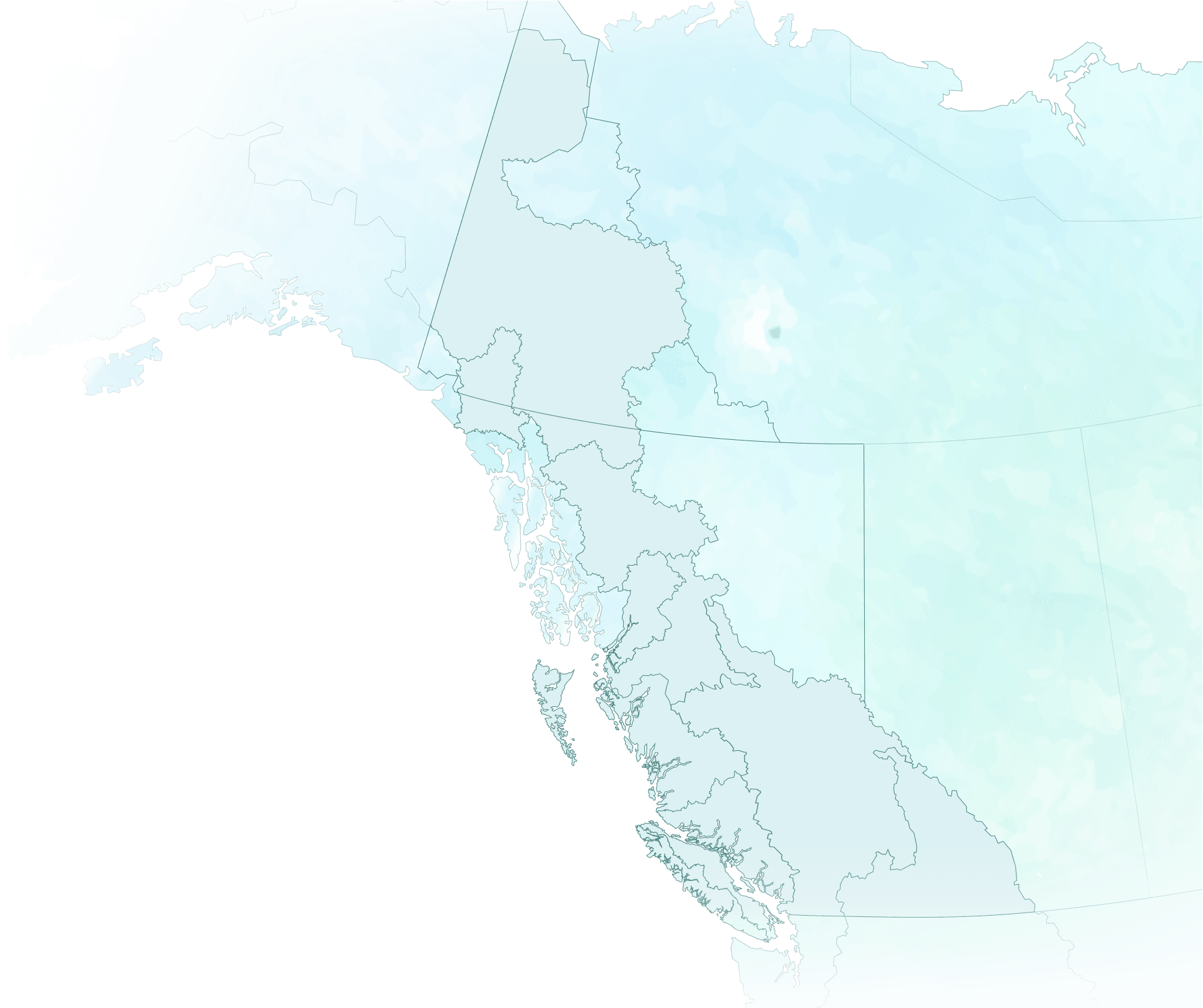
Select a Region



All Regions
Declines in Pacific salmon abundance are widespread, with abundance below the long-term average for most regional salmon populations. A few hopeful exceptions highlight the resilience of salmon and opportunities for recovery.
How to Interpret this Graph
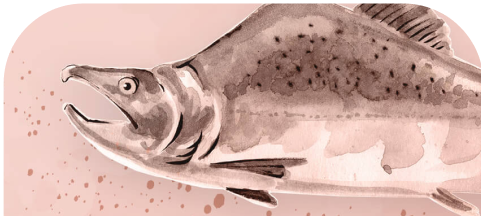
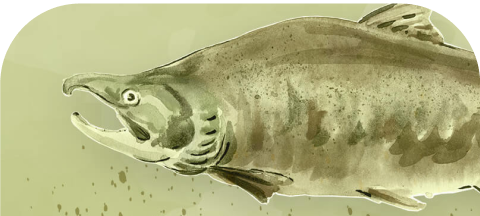
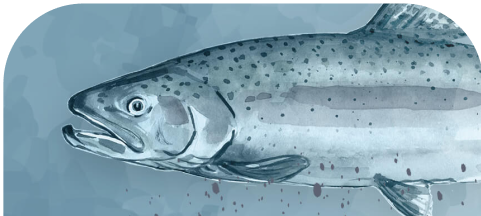
Each fish above shows the per cent anomaly of current spawner or total abundance over the most recent generation compared to the long-term average (horizontal line) for each region and species. Hover over a fish to see what region it corresponds to or select a species or a region to find out more.
Well above long-term average. No conservation concern.
Above long-term average. Current outlook is good.
At or near long-term average. Precaution is warranted.
Below long-term average. Current outlook is poor.
Well below long-term average. Significant conservation concern.
Critically low. At risk of local extinction.
Unknown state due to a lack of readily accessible data.
Key Findings
1.Approximately half of all salmon populations are below their long-term average.
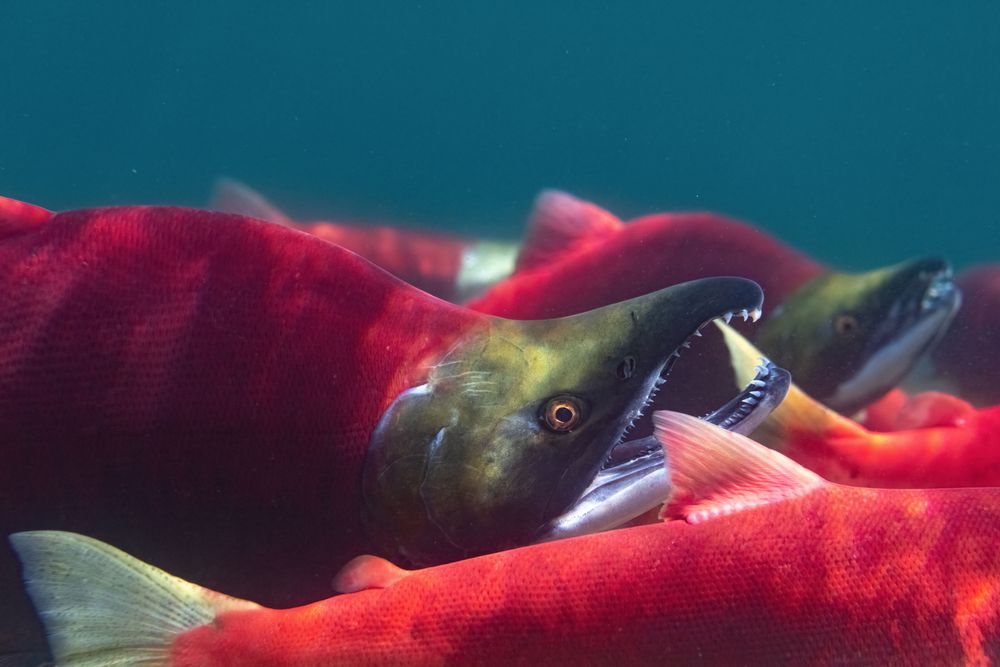
2.Sockeye had above-average spawner abundance in all but one region.
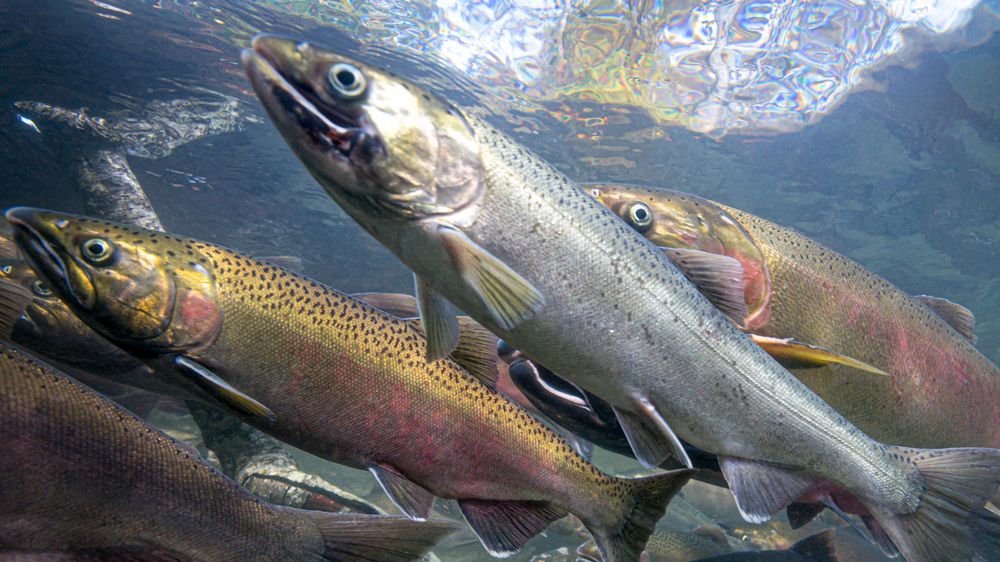
3.Coho populations are up in some southern regions, while most northern populations are below average.
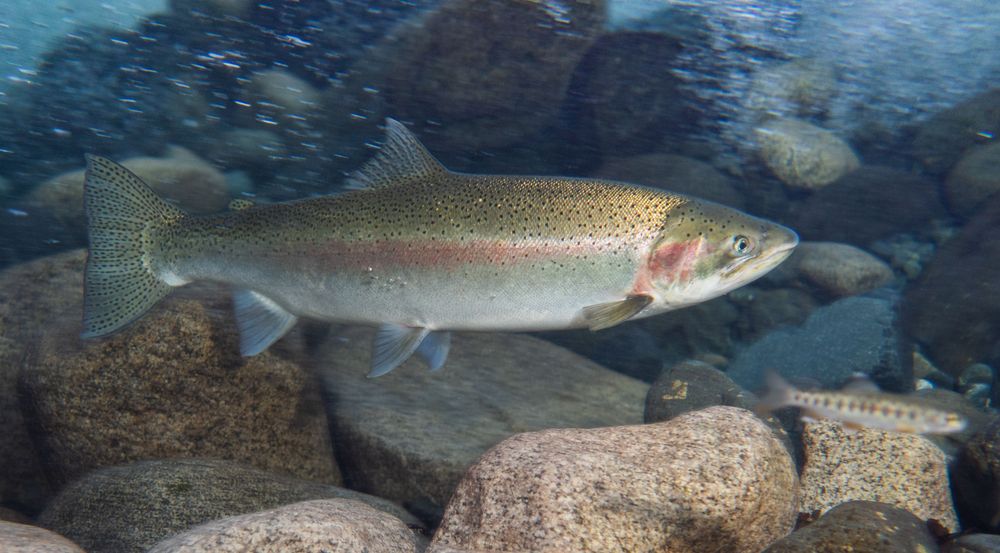
4.Steelhead are in serious decline with below-average spawners in nearly every region.
Species at a Glance
Chinook
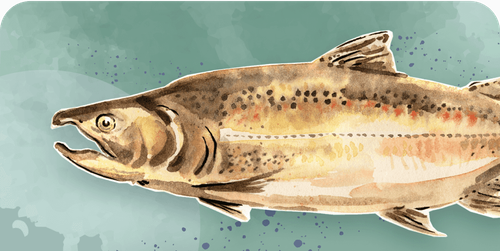
Chinook have increased in abundance in southern regions but are still below average in much of northern B.C. and the Yukon.
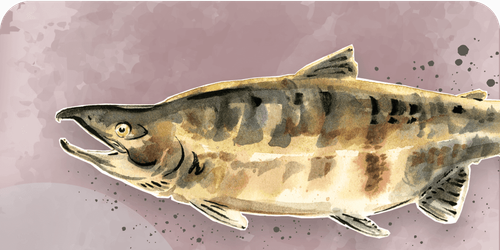
Chum
Chum salmon have experienced the most precipitous declines of any species with spawner abundance below the long-term average in all regions except the Nass.
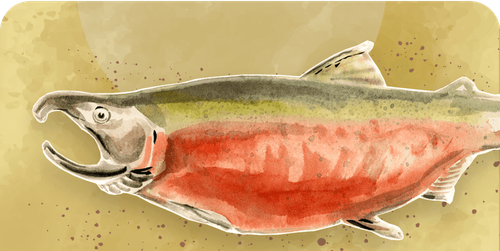
Coho
Coho are thriving in southern regions, but northern populations from Haida Gwaii to Northern Transboundary remain near or below average.
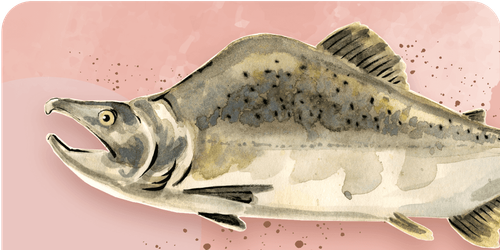
Pink
Pink salmon are well-above average in most regions, despite 2025 returns that fell short of expectations in several regions.
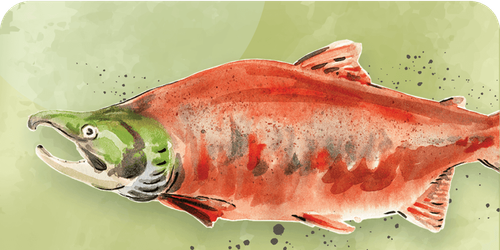
Sockeye
Sockeye spawner abundance has increased above average in all regions except East Vancouver Island & Mainland Inlets.
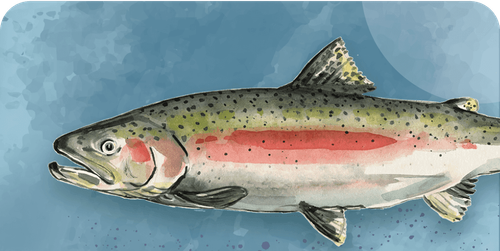
Steelhead
Steelhead have the lowest abundance of all six species and are below the long-term average for spawner abundance in all regions except the Nass.
Chinook
Chinook have increased in abundance in southern regions but are still below average in much of northern B.C. and the Yukon.
Chum
Chum salmon have experienced the most precipitous declines of any species with spawner abundance below the long-term average in all regions except the Nass.
Coho
Coho are thriving in southern regions, but northern populations from Haida Gwaii to Northern Transboundary remain near or below average.
Pink
Pink salmon are well-above average in most regions, despite 2025 returns that fell short of expectations in several regions.
Sockeye
Sockeye spawner abundance has increased above average in all regions except East Vancouver Island & Mainland Inlets.
Steelhead
Steelhead have the lowest abundance of all six species and are below the long-term average for spawner abundance in all regions except the Nass.
FACTORS AFFECTING THE STATE OF SALMON
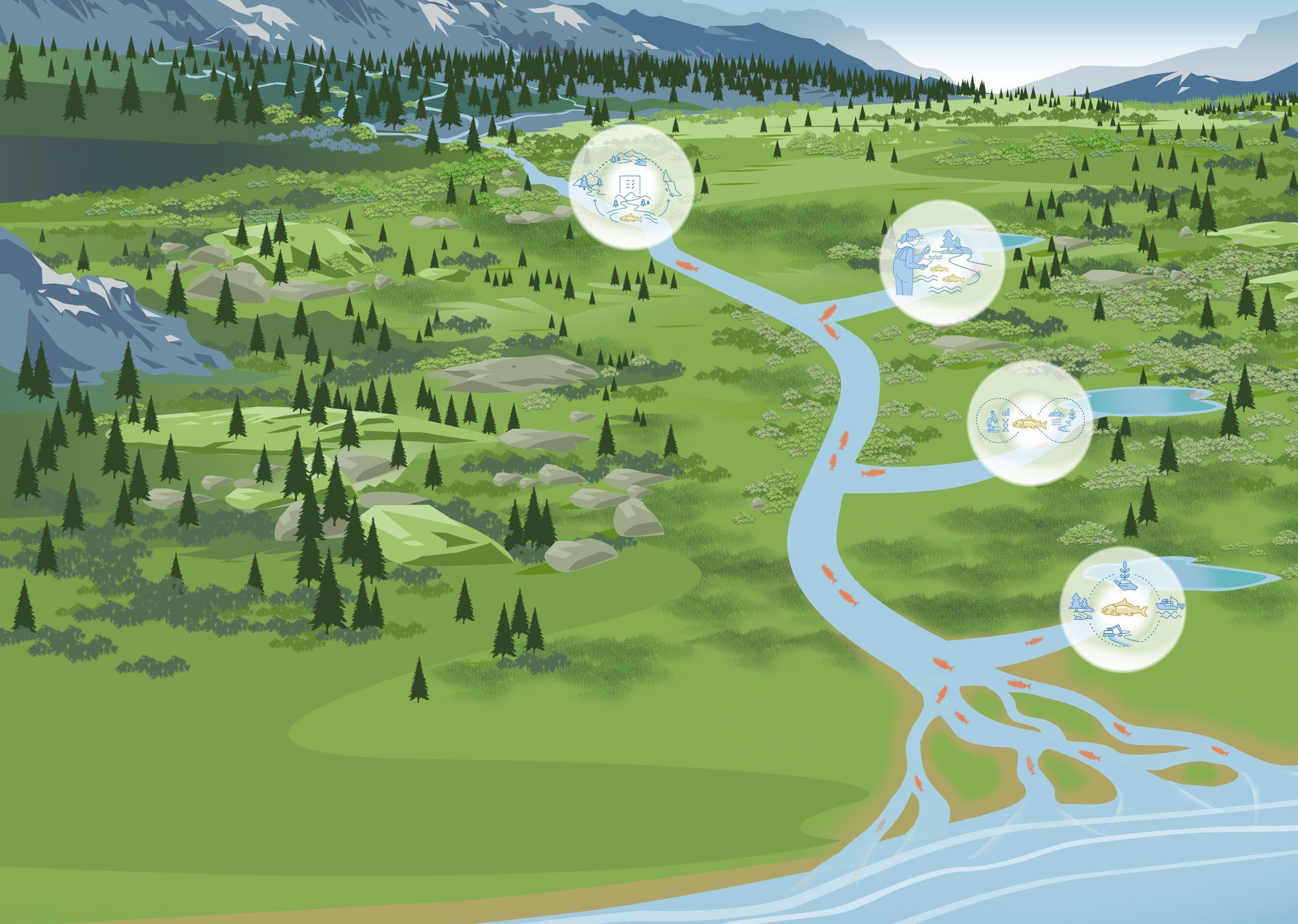
The salmon life cycle extends from freshwater streams and lakes to the North Pacific Ocean, exposing salmon to numerous pressures that can accumulate and interact to influence survival. Over the past 150 years, the number of factors affecting the abundance of Pacific salmon have dramatically increased, challenging salmon survival.
See The Factors



The Path Forward
This State of Salmon report provides a data-driven assessment of the current state of Pacific salmon throughout their Canadian range. The results suggest that salmon need our help. Conserving and recovering wild salmon in the face of climate change requires forward-looking, coordinated action that is focused on protecting and rebuilding the natural diversity of salmon populations and their habitats.