 Urban Development
Salmon in the City
Entire salmon streams have been lost to urban growth. Where they still return to cities, salmon prove their resilience – but they aren’t invincible.
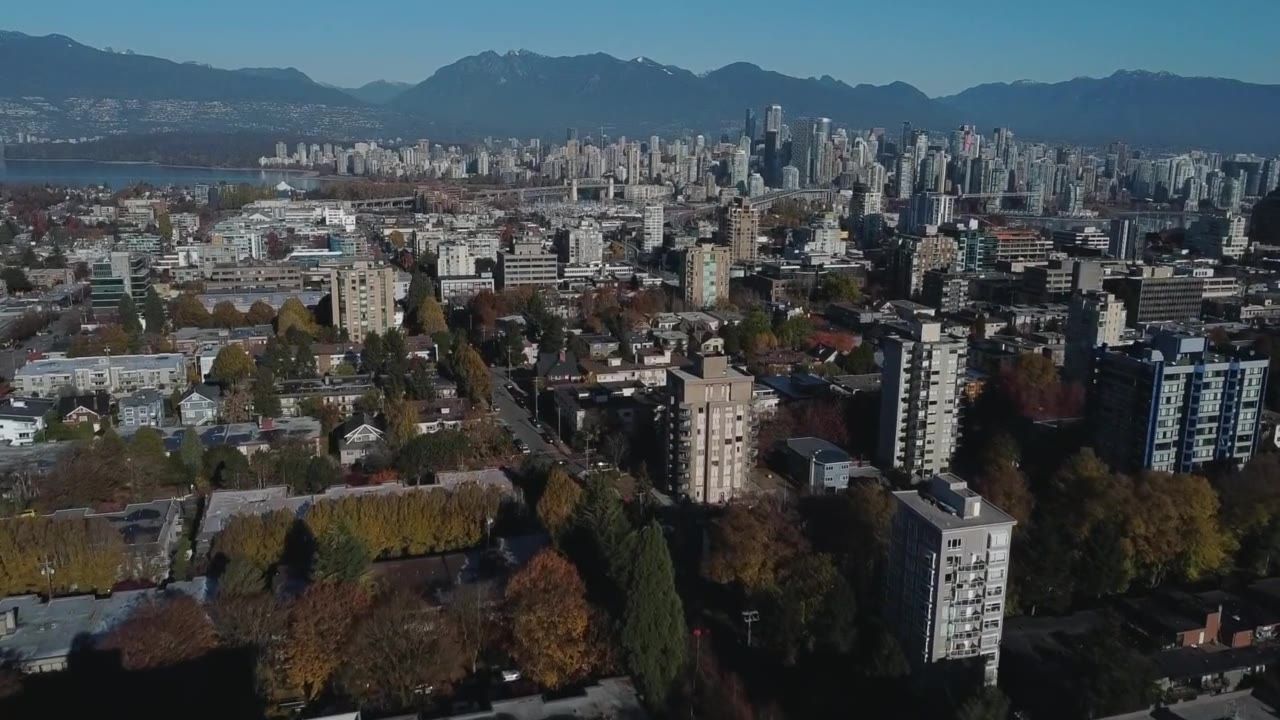
The human population in B.C. has grown almost ten-fold over the past century†, and the urbanization that followed has reshaped the landscape.
Forests and wetlands have been replaced with roads, buildings, and urban infrastructure in some of the most historically productive salmon watersheds. These changes alter how water moves across the landscape and what it carries with it, often reducing the quality and availability of salmon habitat. Streams and rivers have been straightened, confined, or routed through pipes, and their links to floodplains, wetlands, and estuaries are cut off.
Urban runoff floods streams quickly, and can carry toxic contaminants that can harm salmon or their ecosystems. And yet salmon persist in major cities, navigating the province’s urban heartland – a display of resilience that should not be mistaken for invincibility.
The streams beneath our cities
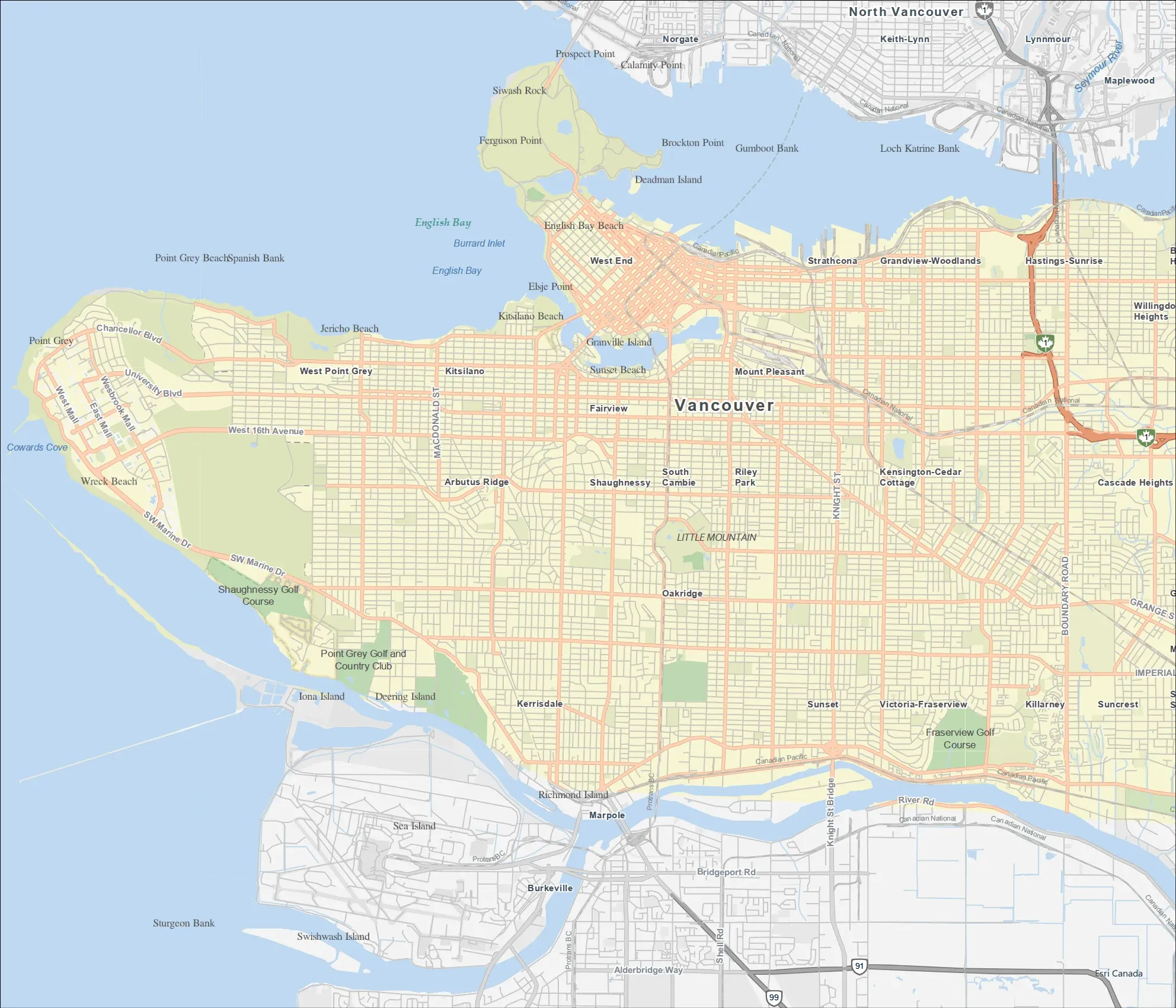
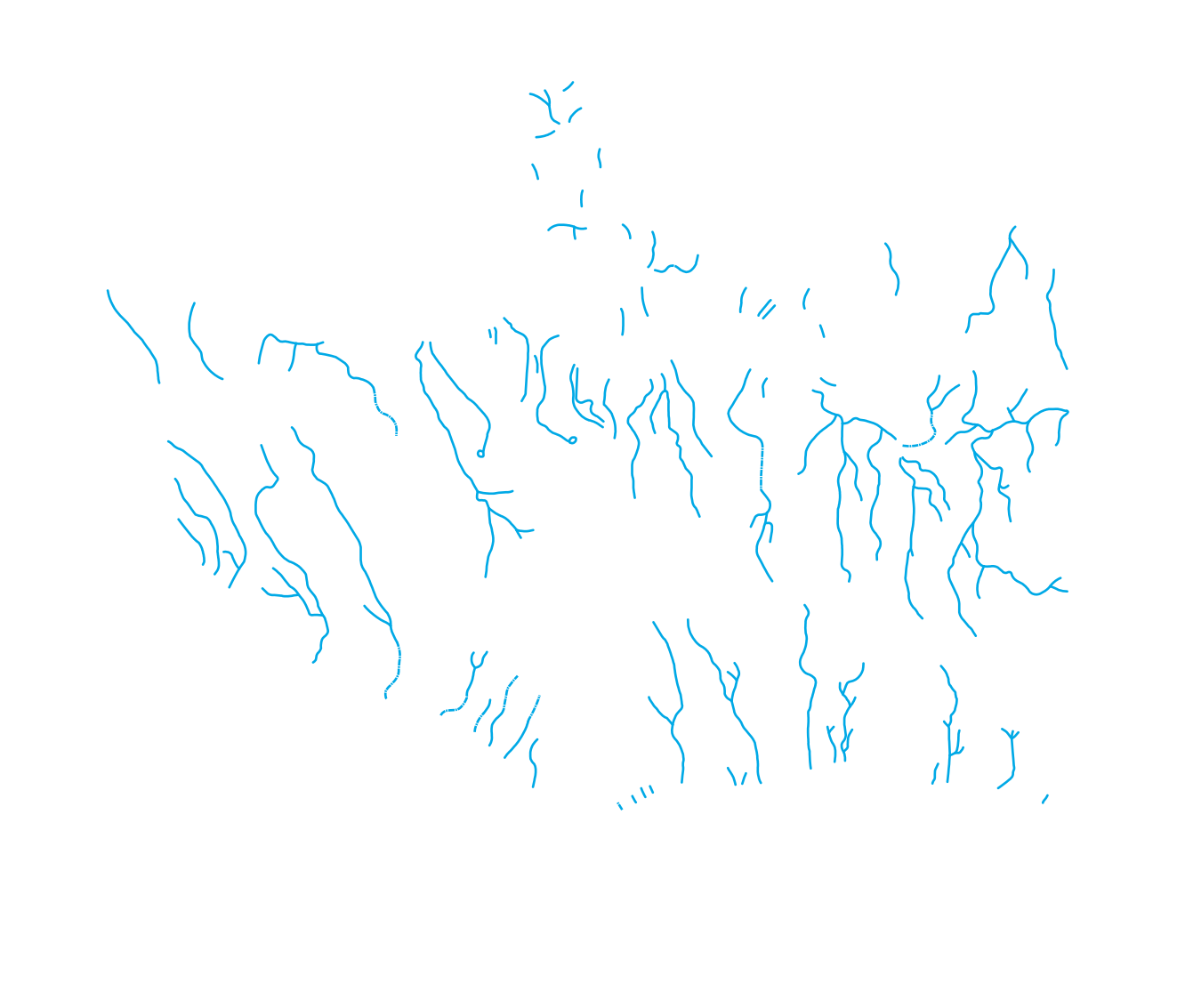
What is now the city of Vancouver was once home to more than 50 streams, most them likely used by salmon at one point in time†. As part of colonial settlement, almost all streams were eventually confined to pipes and buried beneath pavement. Though invisible, the streams are often still there, transporting rainwater under some of the city’s busiest streets. In fact, under Vancouver’s Main Street is Brewery Creek, the water source that once drew some of the city’s first breweries to open along its banks†.
Underground, these streams can no longer support salmon. Across the lower Fraser Valley alone, at least 117 streams have been lost since modern day record-keeping began†, while many others have been heavily altered by culverts, dikes, storm drains, and flood-control infrastructure designed to contain and redirect water. Similar “lost streams” exist beneath cities across BC, where urban development has buried waterways under roads, neighbourhoods, and industrial areas. Although many of these streams still flow underground, they no longer provide the cool, connected habitat salmon need to migrate, spawn, and rear.
 PresentPast
At least 117 streams had been lost in the lower Fraser Valley as of 1998 – today’s number is likely much higher†. More still have been altered by culverts, dikes, storm drains, and flood-control infrastructure, which can make these habitats unusable for salmon.
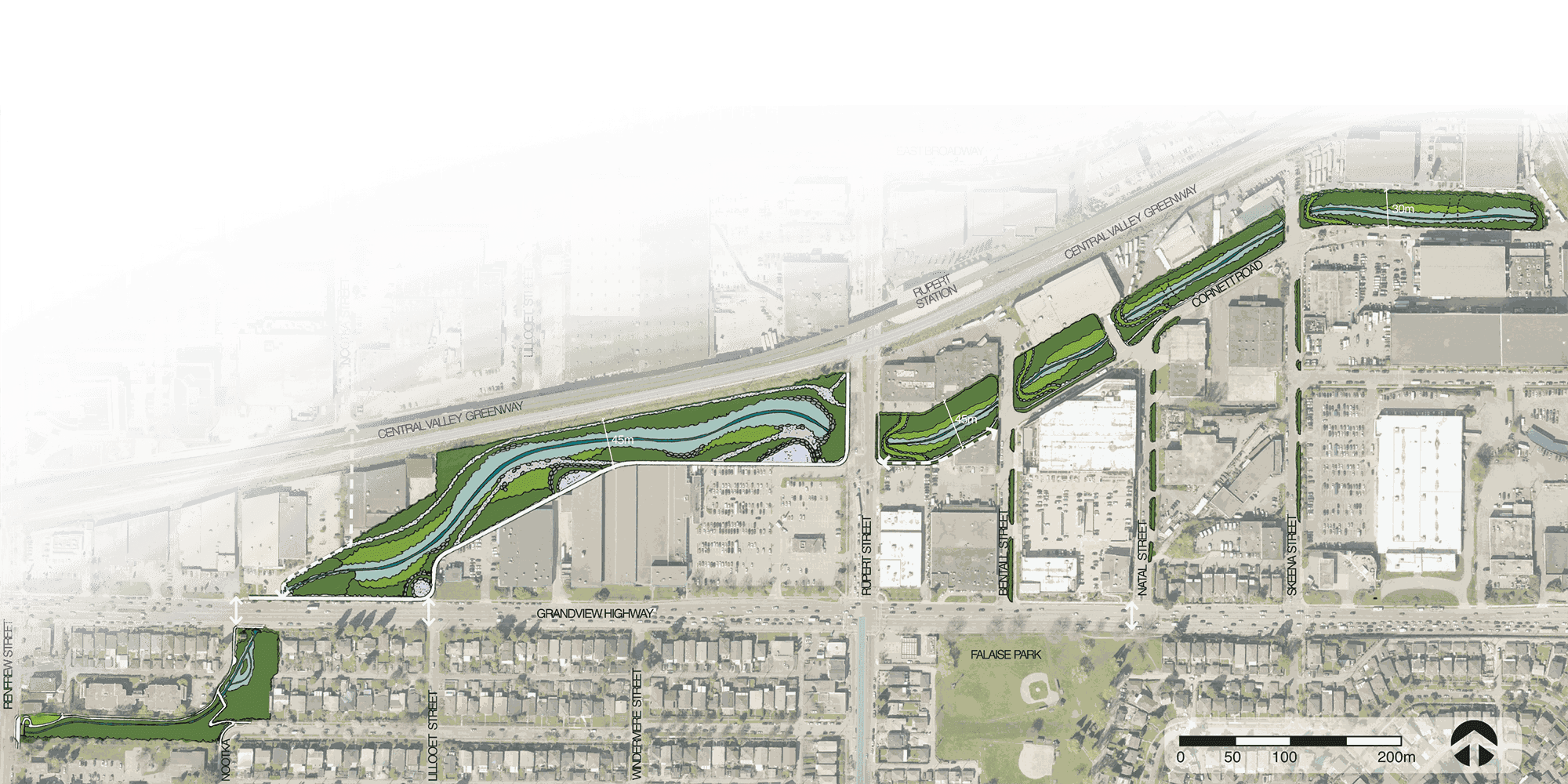
Still Creek daylighting and enhancement plan, Renfrew Street to Boundary Road.
Drawing by Space2Place
Daylighting streams to give salmon a second chance
In recent years, efforts to uncover or “daylight” buried streams have gained momentum in many urban areas. By restoring natural stream banks and reopening sections of waterways that were previously buried underground, communities can gradually reconnect salmon habitat and revive ecological functions that had been lost to urban development. These projects are often complex and long-term, unfolding over decades as opportunities for restoration emerge.
One notable example is Still Creek, which flows through industrial and urban areas of Burnaby and East Vancouver. After years of restoration and daylighting work aimed at improving habitat and reconnecting the stream, chum salmon returned to spawn in Still Creek in 2012 – the first recorded return in decades – becoming a celebrated symbol of urban ecological recovery†. Similar projects are underway elsewhere in B.C. through partnerships among municipalities, community groups, and conservation organizations.
The Pacific Salmon Foundation’s community grants program, for example, has supported restoration and daylighting efforts along Bowker Creek in Victoria, helping reconnect fragmented habitat and bring salmon back to urban landscapes†.
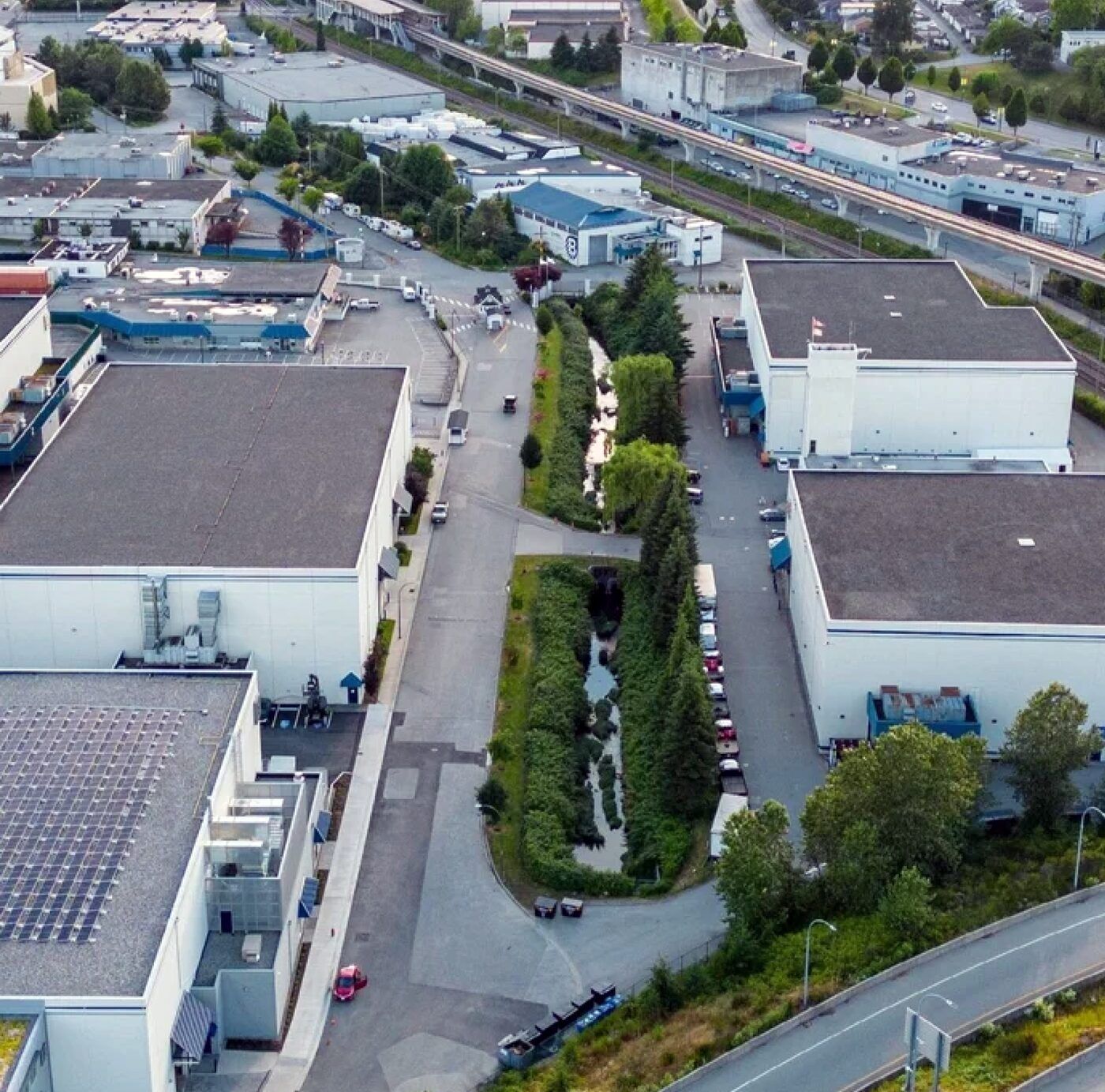 Photo by Space2Place
When roads cross streams
Culverts that run under roads, railways, and other infrastructure connect waterways, but are often unsuccessful at connecting salmon habitats – they are often too narrow, too steep, or flow too quickly for salmon to navigate. Fortunately, simple changes can make a big impact: wider culverts embedded into the streambed, and engineered to better mimic natural stream conditions, can turn these barriers into fish-friendly passages that help salmon reach more of their habitat†.
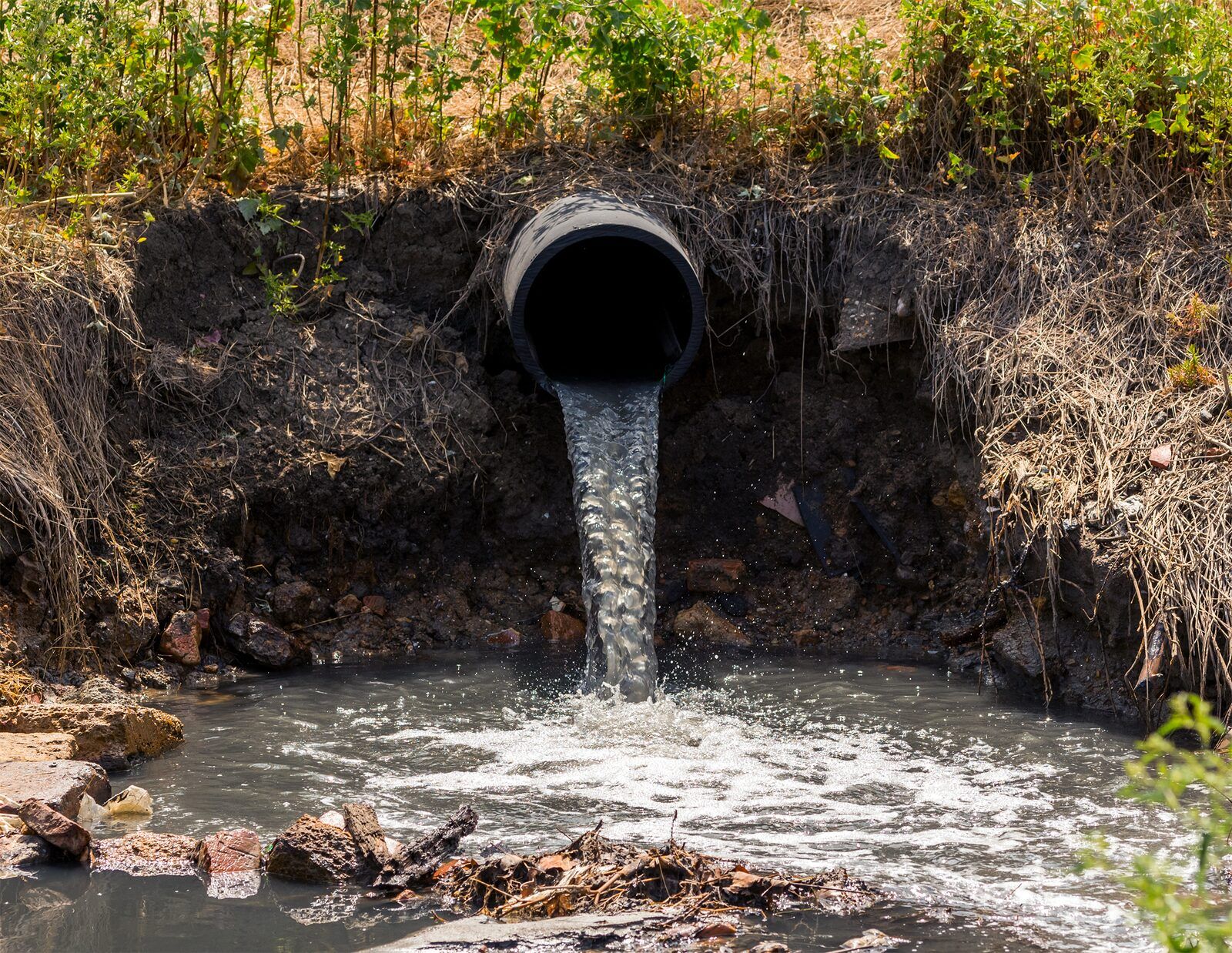 Photo by Posonsky / Getty ImagesA non-fish-friendly culvert high above the streambed.
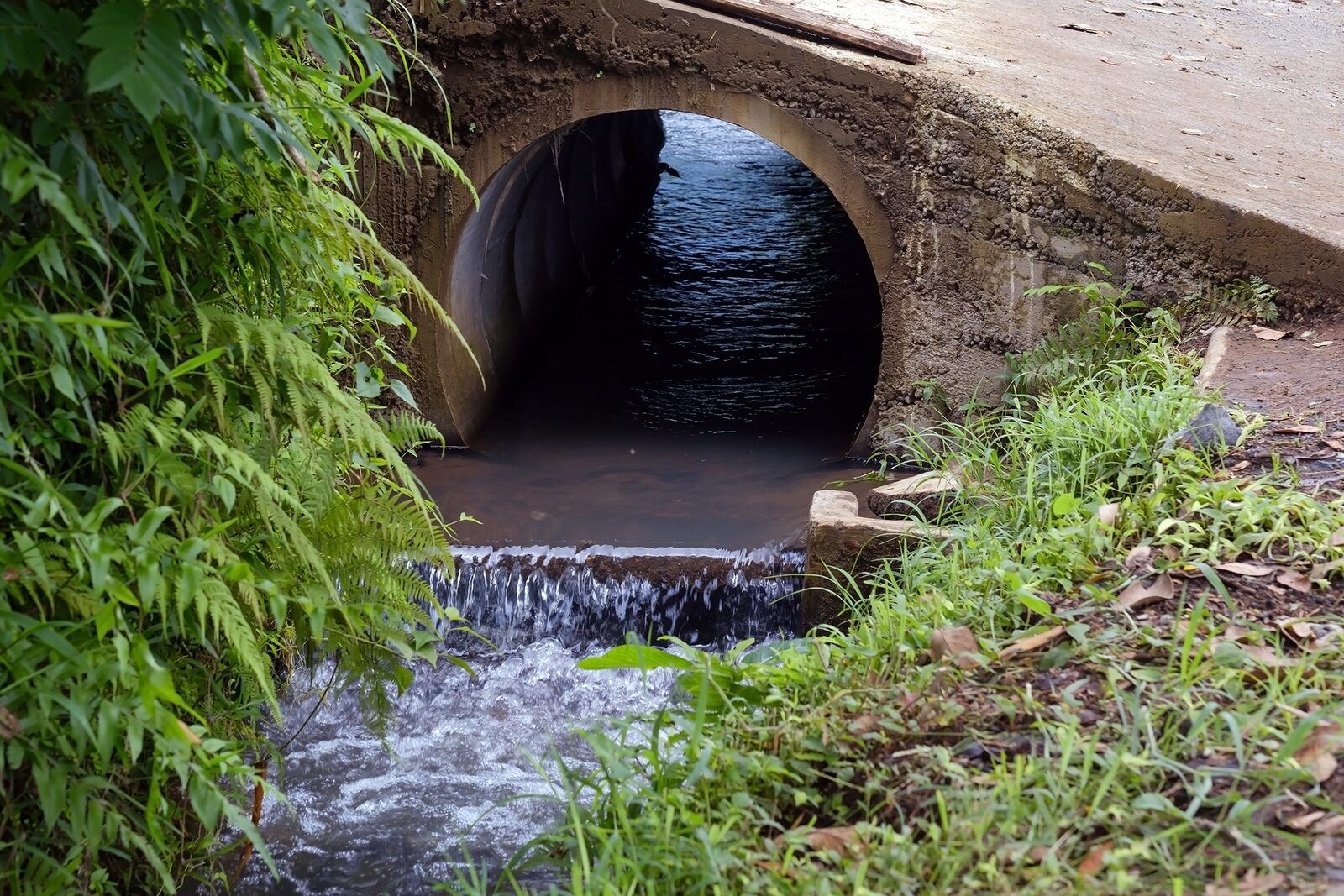 Photo by Anna Koldunova / Getty ImagesA fish-friendly culvert embedded into the streambed.
Across British Columbia alone, there are over 170,000 culverts that impede fish passage†. They are found both within and outside urban centres – in fact, road networks that support industrial development are home to most of these barriers.
Urban Stream Syndrome
In urbanized areas where salmon still persist, streams and rivers often behave very differently from those in intact natural watersheds – a pattern sometimes referred to as urban stream syndrome†. Urban streams tend to be flashy – water levels rise and fall rapidly during rainstorms or snowmelt. In natural watersheds, forests, wetlands, and soils absorb and slowly release water. In cities, however, pavement, rooftops, and storm drains quickly funnel water into streams and rivers. These sudden high flows can erode streambanks, wash away spawning gravel, and remove fallen logs that create the deep pools juvenile salmon rely on for shelter. In severe cases, strong flood events can even scour developing salmon eggs from the streambed. During droughts, urban streams often become unusually warm and shallow, especially where streamside trees and vegetation have been removed†.
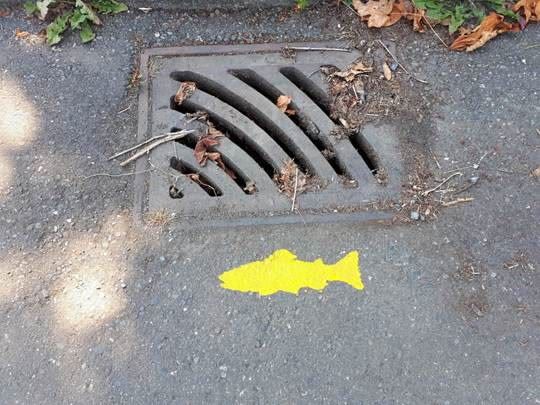 Photo by Morrison Creek Streamkeepers
Polluted runoff runs into urban streams
Urban runoff also carries a wide range of contaminants into salmon habitat. Rainwater flowing across roads, parking lots, lawns, and industrial areas can pick up oil, heavy metals, pesticides, tire chemicals, and household pollutants before entering storm drains that often discharge directly into local waterways without treatment. Increasing public awareness about what enters storm drains has become an important part of urban salmon stewardship. Community initiatives such as storm drain marking programs – where yellow fish symbols are painted beside drains to remind people that “only rain goes down the drain” – help connect people to the hidden waterways beneath their neighbourhoods and encourage everyday actions that protect salmon habitat.

The toxic tire chemical killing urban salmon
Starting in the 1990s, scientists and citizens noticed that coho in urban streams were dying after major rainstorms, before they could spawn. It was decades before scientists could isolate the chemical and prove that 6PPD-Q, a derivative of a chemical added to tires to extend their lifespan, was causing the coho deaths. As tires wear, 6PPD-Q is deposited on roads and washed into nearby waterways during rainfall, where it can reach levels that are deadly to adult salmon†. There are still unanswered questions, 6PPD-Q disproportionately affects coho salmon. This led to PSF and others to ask the federal government to investigate its toxicity, prompting the Government of Canada to agree to add 6PPD-Q to its priority assessment list.
6PPD-Q (Tire-wear chemical) makes its way into urban streams and kills coho.
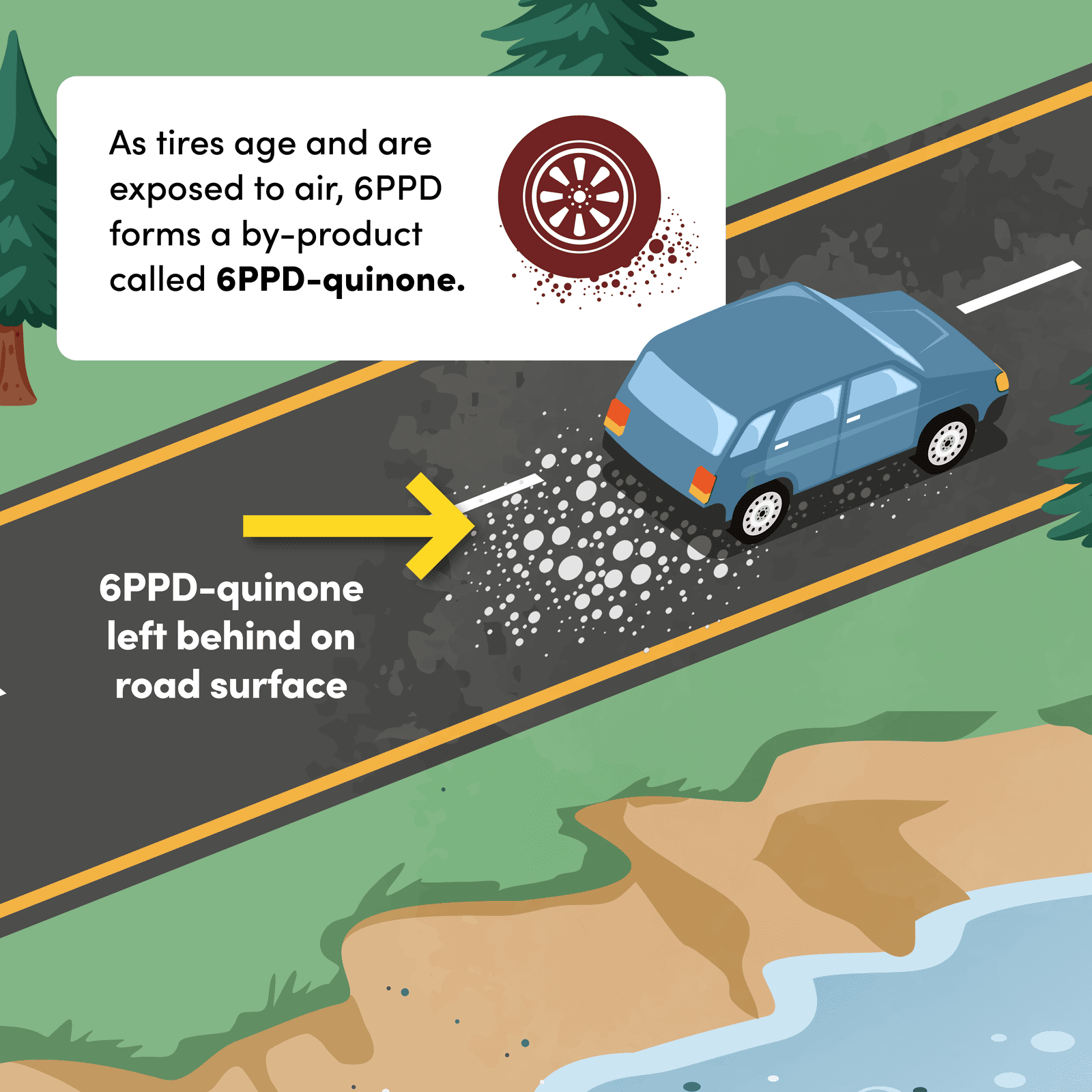
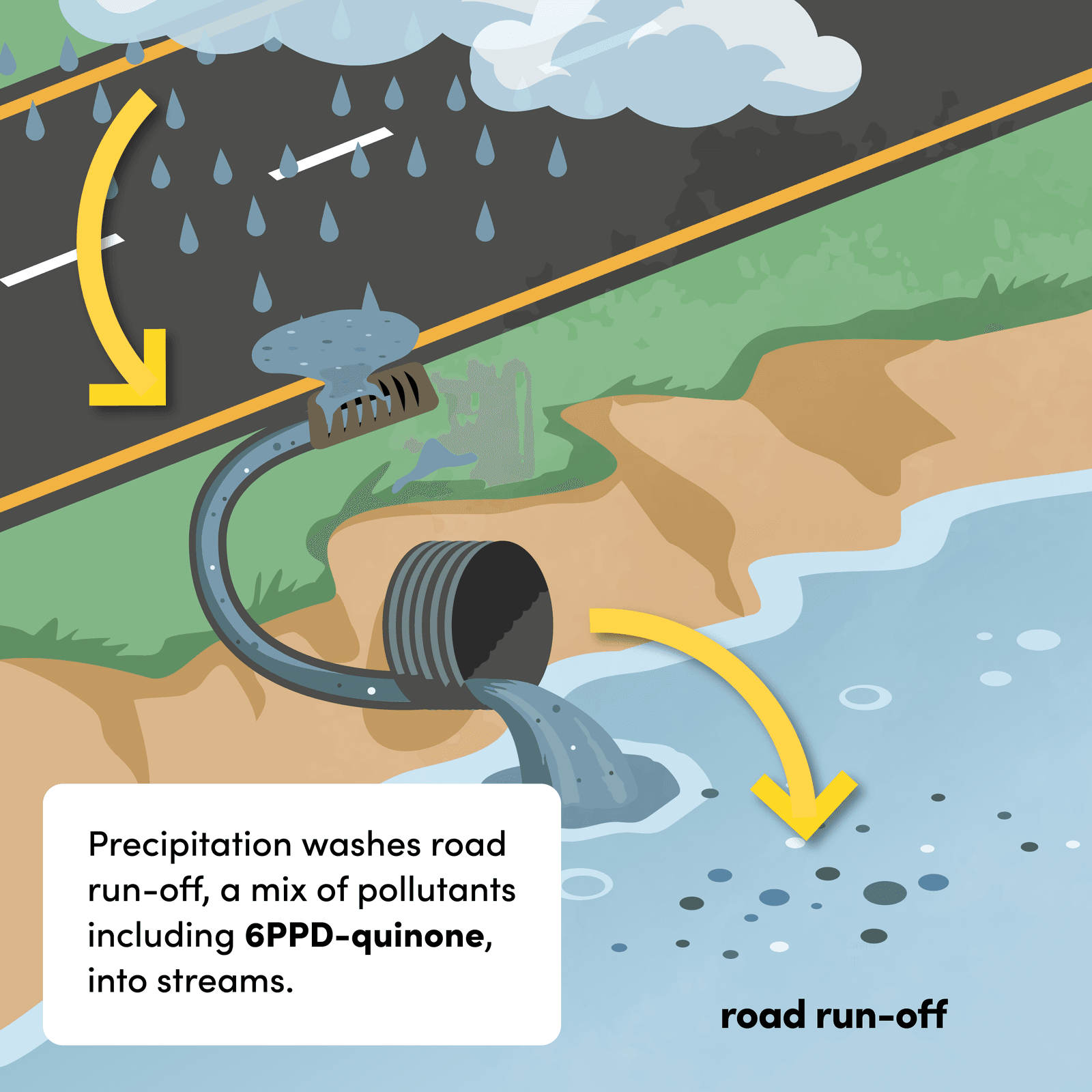
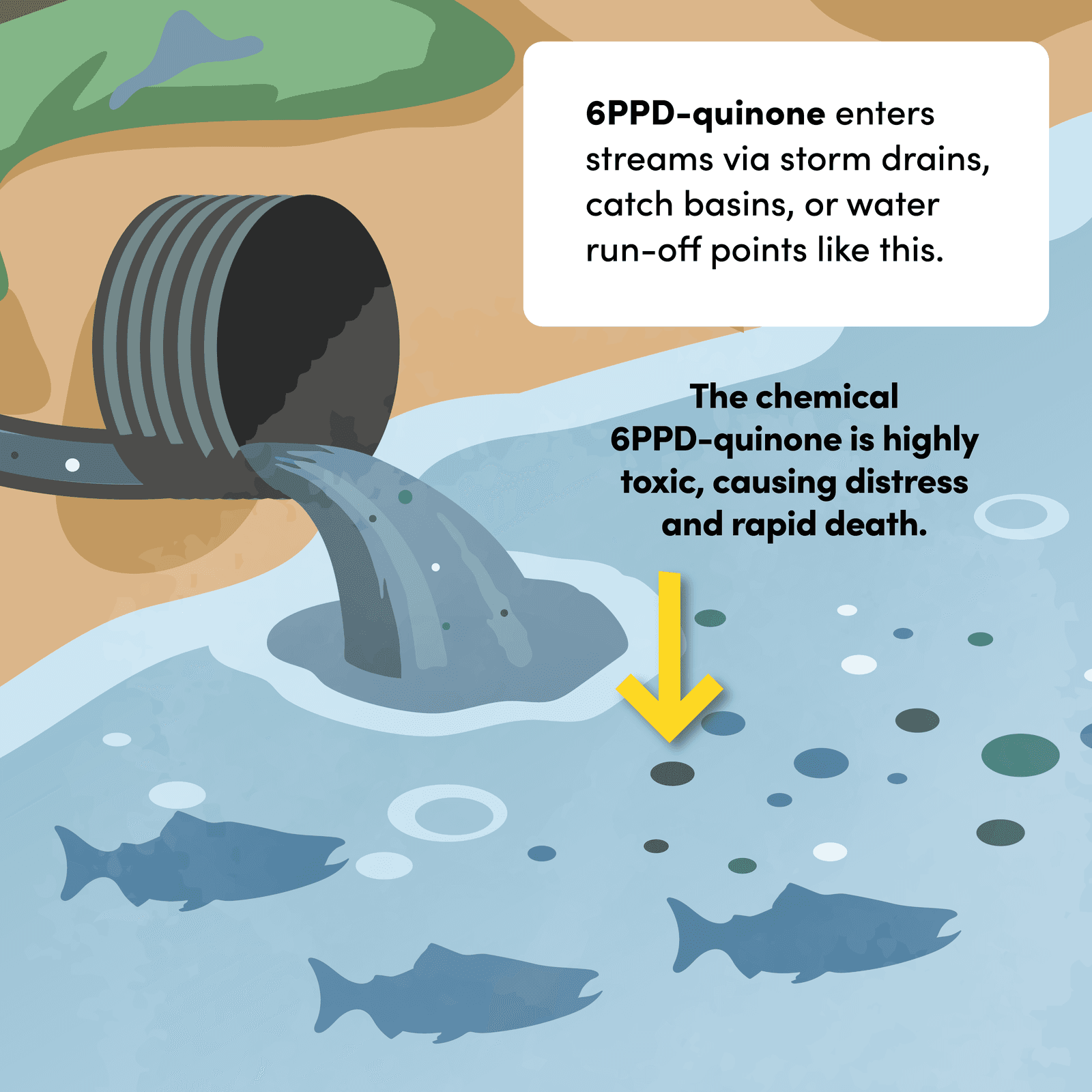
How 6PPD-Q reaches salmon streams. Adapted for State of Salmon from psf.ca/work/climate/tire-wear-toxin-6ppd-q (opens in a new tab).
Straightened and
armoured shores
To control flooding, cities straighten banks, armour shorelines, and confine waterways and the fish within them. Over the past two centuries, flood control infrastructure – like dikes, levees, and floodwalls – expanded across urban and industrial (opens in a new tab) landscapes. As climate change continues driving sea level rise and unpredictable flooding, the pressure to build and expand this infrastructure is expected to grow – but there are consequences for salmon, and there may be better alternatives.
Straightened river channels
Channelizing rivers and streams – straightening and reinforcing their banks – is a common way that cities control flows and allow development closer to the waterways, but there are costs. These simplified channels make poor habitats for salmon, who thrive in complex river systems with a variety of connected habitats, like deep pools, shallow side channels, seasonally flooded wetlands, gravel spawning beds, and slow-moving rearing areas. This habitat complexity supports the remarkable diversity of Pacific salmon species and life histories.
When cities are built around rivers, these habitats get developed, leaving only a single, uniform main channel – and salmon diversity can be lost as a result. A large portion of the Okanagan River was channelized in the 1950s, and today, opportunities to restore it back to its natural state are constrained by the cities that grew around it.
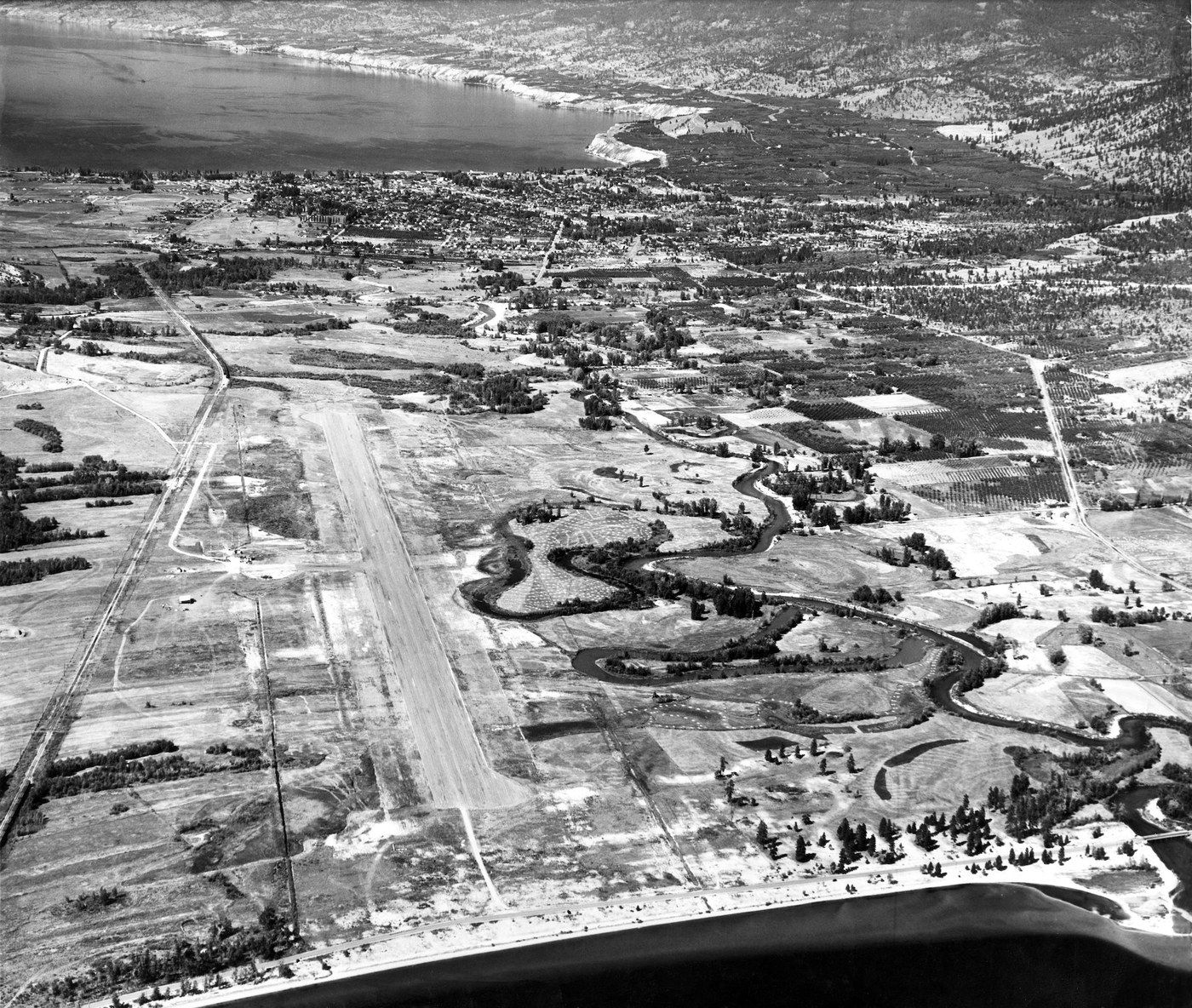
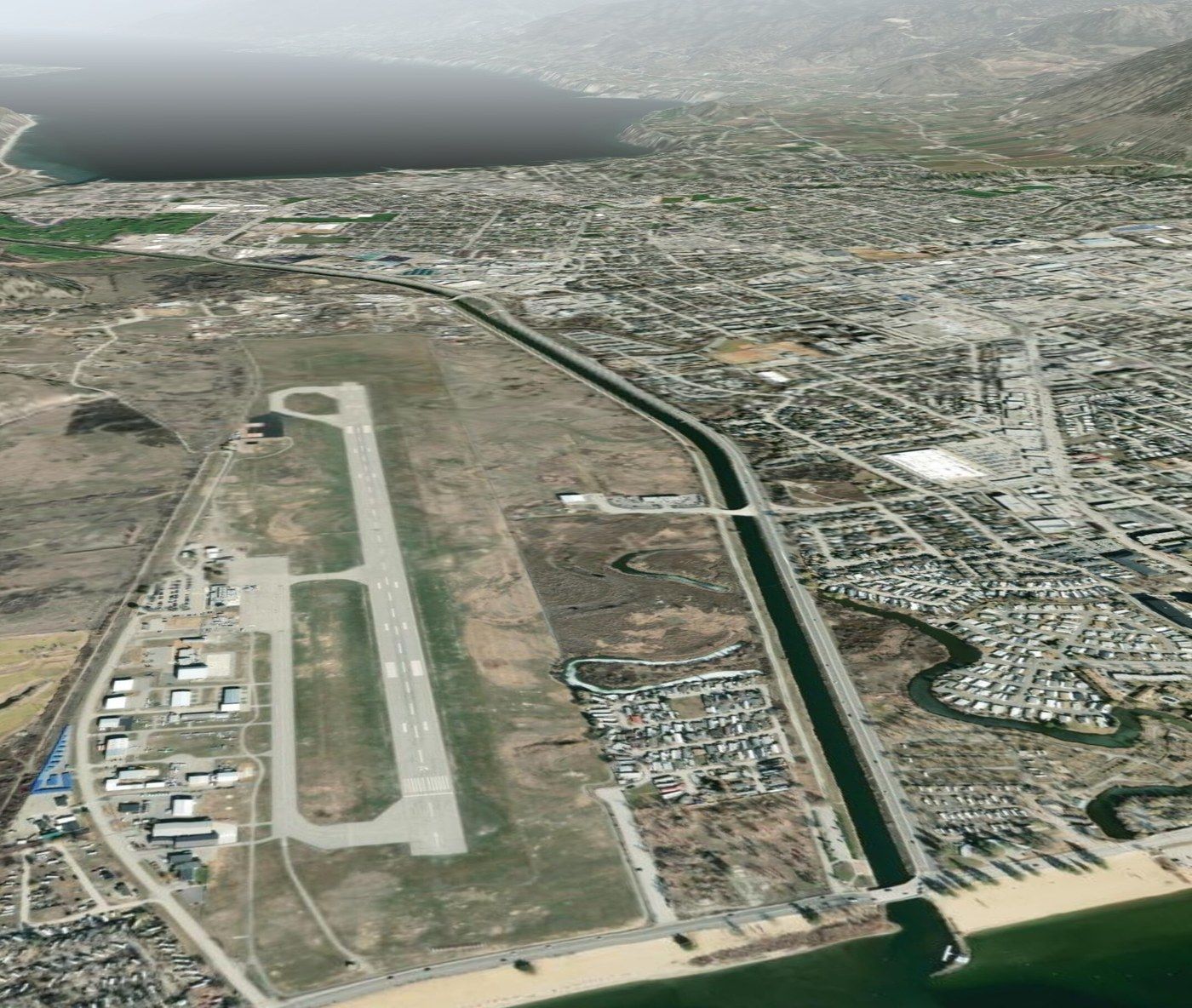 PresentPastPhoto by City of Penticton, Digital aerial AP #9
Armoured coastal shorelines
Coastal communities are often armoured against tides and storms with hard structures like seawalls and riprap, which replace the productive natural ecosystems that once occupied the shores. However, scientists and city planners are starting to recognize that if left intact, these ecosystems – wetlands, estuaries, and tidal habitats – provide even better and cheaper flood protection in the long term than concrete barriers and other hard infrastructure alone. They absorb floodwaters while providing habitat for growing salmon and other wildlife – a true win-win. A recent PSF project mapped shoreline armouring (opens in a new tab) along eastern Vancouver Island, identifying where more natural shoreline solutions could replace seawalls and riprap. Natural coastal habitats were then restored at select locations, and forage fish – important prey for salmon – quickly returned to spawn in some of those new habitats†.
Green infrastructure benefits us all
As communities grow, investing in green infrastructure – strategically placed natural spaces that serve purposes like flood control – is a chance to work with nature instead of against it. Green infrastructure systems can be as extensive as constructed wetlands that protect entire communities from flooding, but often are much smaller scale, and include rain gardens, bioswales, and pervious pavement. These slow and reduce the amount of water entering storm drains, moving cities back toward the natural water cycles that existed there before urbanization†. There are also benefits to water quality – rain gardens that capture and filter runoff can prevent over 90% of 6PPD-Q from entering waterways†.
The city of Delta now has over 40 rain gardens, which are also used to teach the importance of watershed management through school partnerships†. Making space for natural ecosystems in our future cities, and bringing back ecosystem functions where possible, will confer benefits beyond salmon – to people, wildlife, and future generations alike.
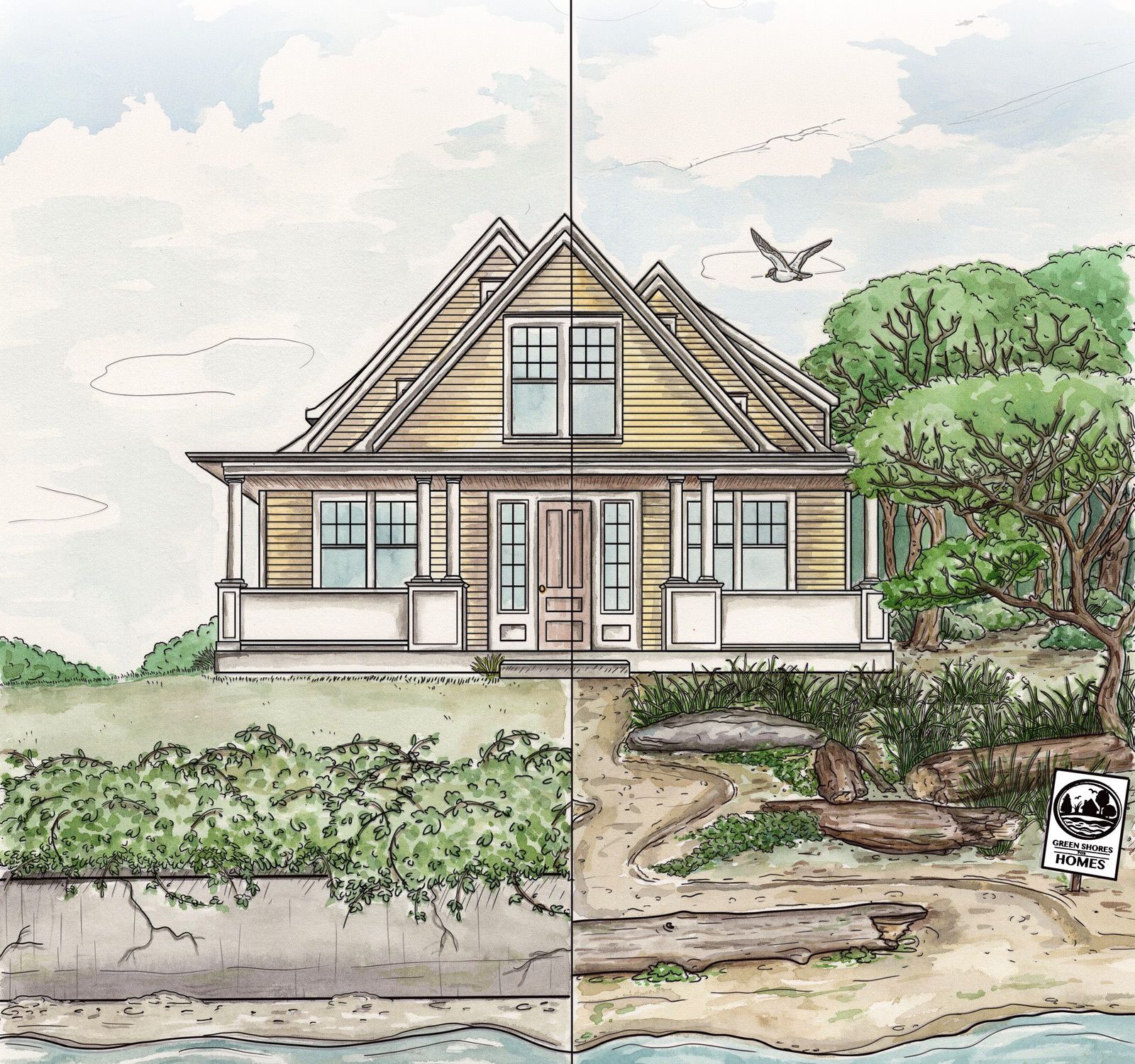 Illustration by Holly Sullivan
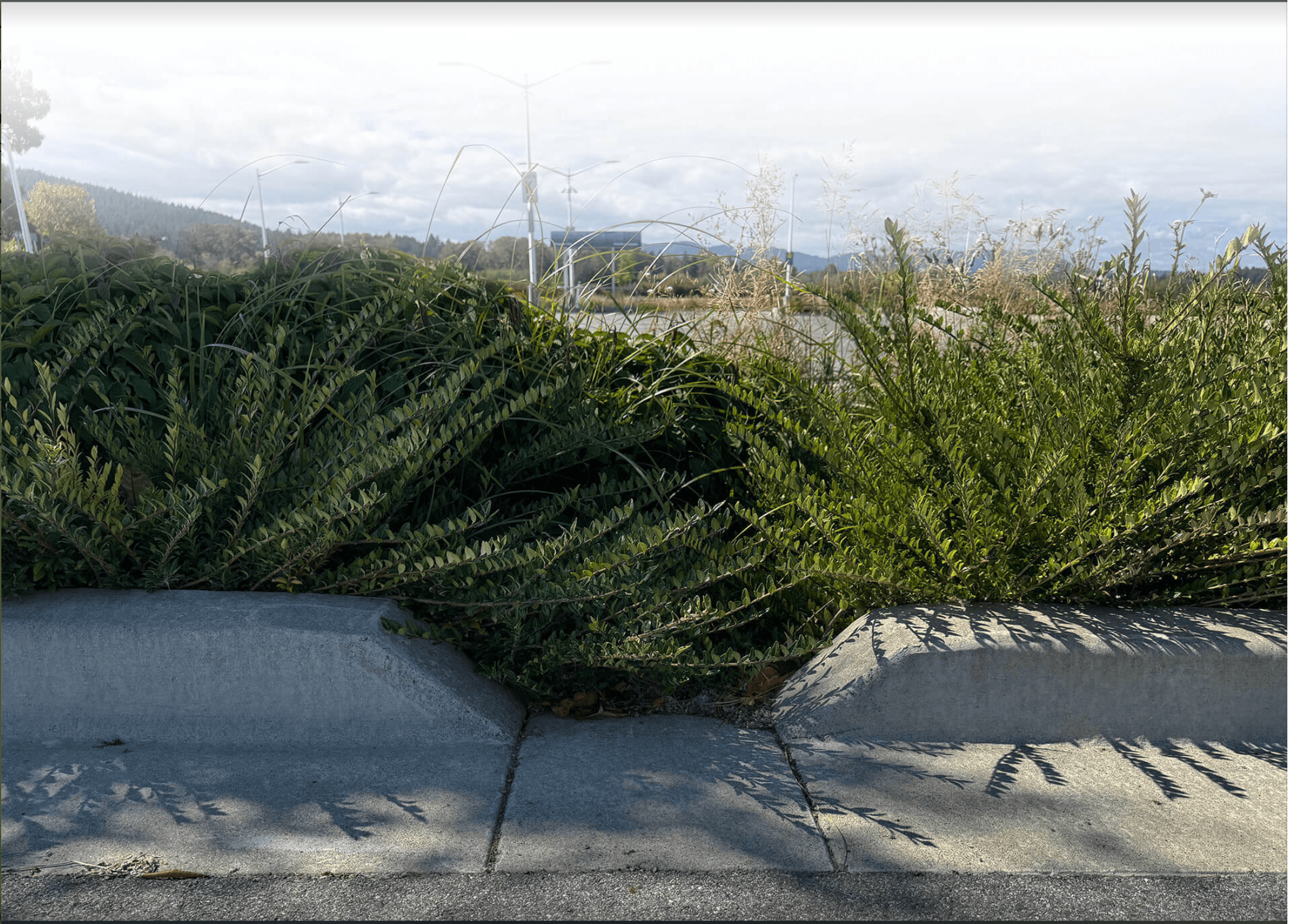 Rain garden designed to collect, absorb, and filter stormwater runoff. Photo by Maria Catanzaro
With the right choices, urban landscapes can once again become places where salmon – and people – flourish.